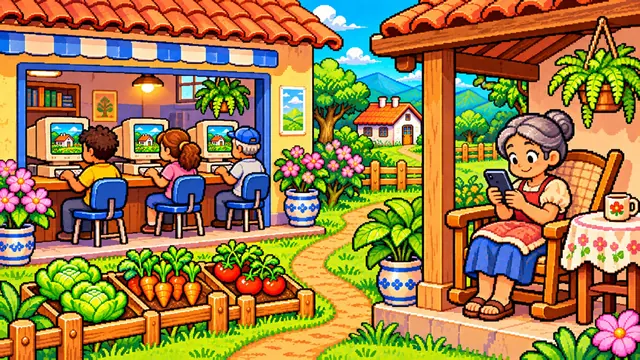
Ten farming games you can open for free in your browser, grouped by what you want to do first: grow crops, build a production chain or play a quick test session. Two of the options are demos, marked below.
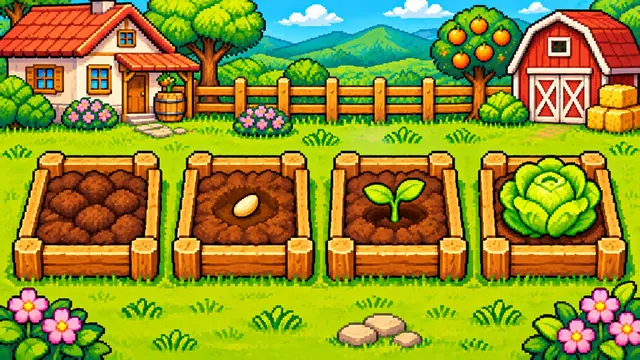
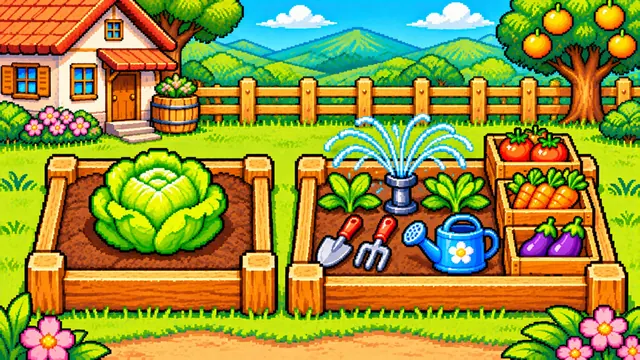
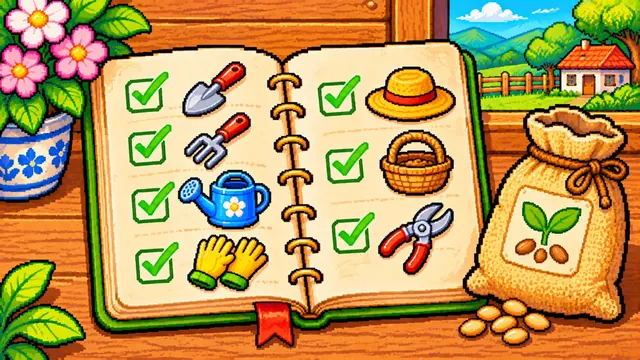
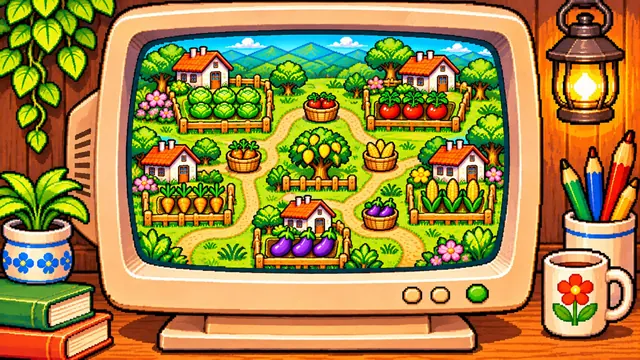
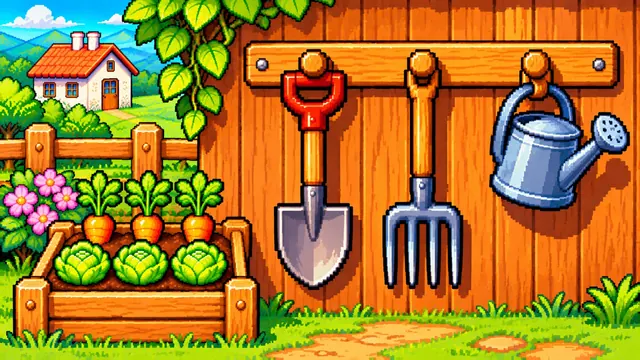
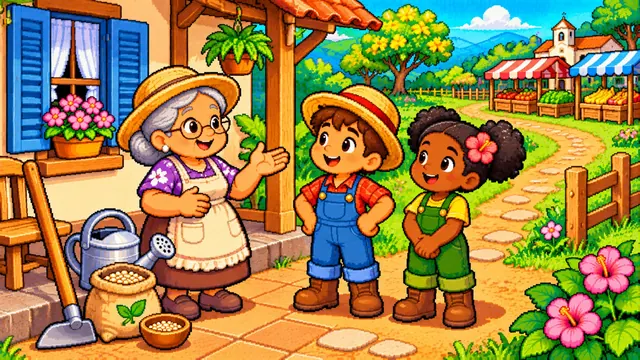
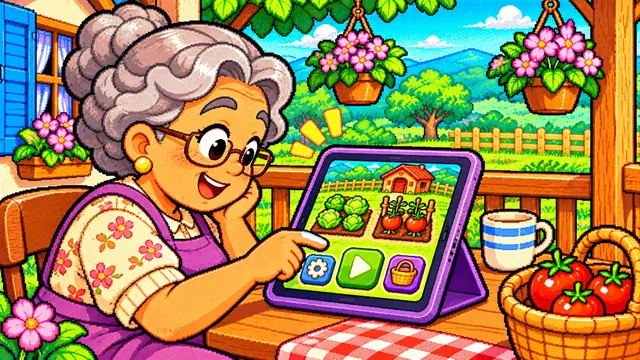
In Fazendinha Retrô you can open the game in your phone's or computer's browser and start the campaign. The first task uses simple tools: prepare the soil, sow and water.
Choosing a farming game for Android starts with the device you will play on. A small screen, little storage and an unreliable connection change a lot about what is worth trying.
To play on an iPhone without buying anything, check whether the part you care about is available in the free version. A free download can still include paid resources, energy or shortcuts.
If the part of Stardew Valley you love most is arranging garden beds and ending the day with a sale, look for a browser game with crops, a calendar and short-term decisions.
If you are looking for an alternative to Hay Day, start by naming what you want to keep, like producing goods or caring for animals, and what you want less of, like notifications and interruptions.
To play a farming game without a connection, try a version whose developer states it supports offline play. Farm Dream and Idle Farming Empire on Android and Pocket Acres on iPhone offer that option according to their store listings.
Good localization covers tool names, early tips and the warnings that appear when an action fails. That is what to check when you look for a farming game in Portuguese.
For a modest PC, the best test is playing for a few minutes on the computer you already have. Keep only one tab open and check that the camera and clicks stay responsive when there are several actions on screen.
The loop of a planting and harvesting game ties a small action to a visible result. You prepare the soil, choose a seed, water it and come back to decide what to do with the harvest.
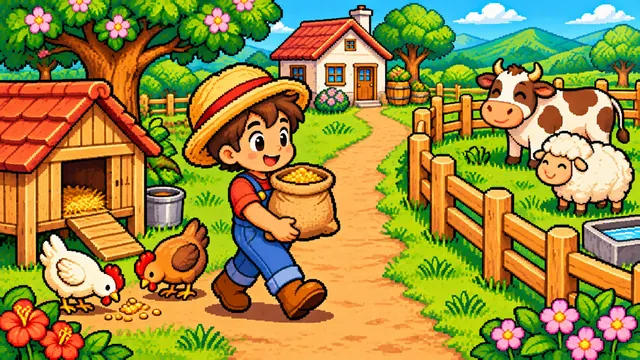
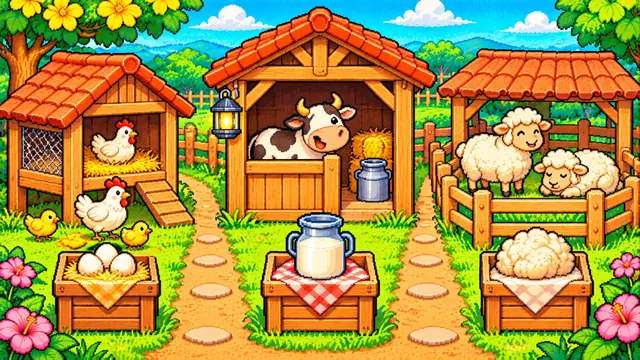
If you enjoy caring for animals, look for a game where feeding them and collecting products is a clear activity. In Fazendinha Retrô, chickens, cows, goats and sheep join the campaign little by little.
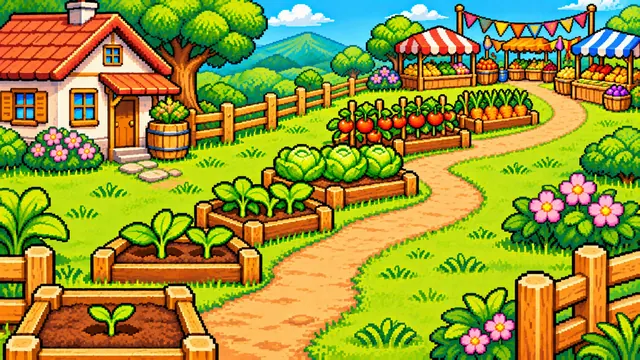
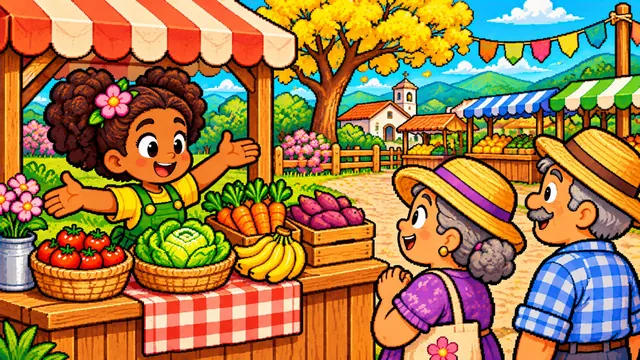
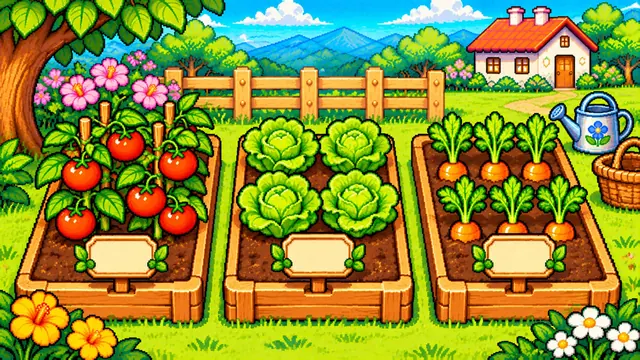
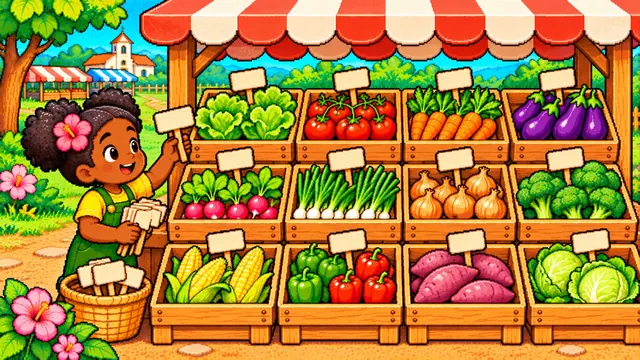
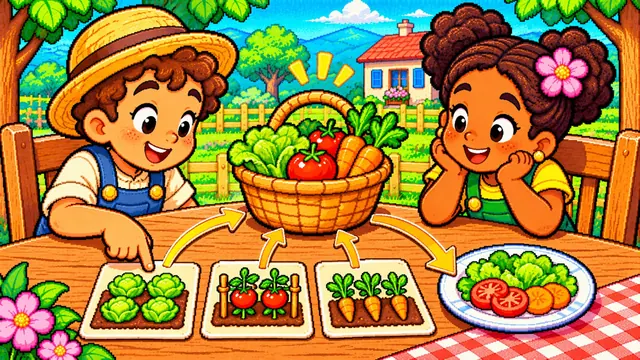
An online vegetable garden lets you try the sequence of planting, watering and harvesting for a few minutes. In Fazendinha Retrô, the campaign opens with lettuce and carrots and uses the market to close the cycle.
A farming campaign works well when the beginning teaches the routine, the middle offers new choices and the end shows what has changed. Fazendinha Retrô uses 30 in-game days to build that arc.
There is a difference between a free game, a game with optional videos and a game that interrupts the session to show ads. The fastest way to know is to test a common sequence of actions.
A leaderboard feels lighter when you can see where the points come from and pick your own goal. In Fazendinha Retrô, players with an account join the leaderboard automatically (and can leave whenever they want), and the score combines experience, harvests, medals, puzzle stars and days of care.
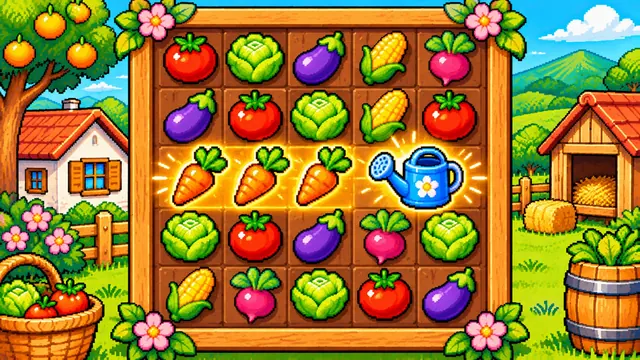
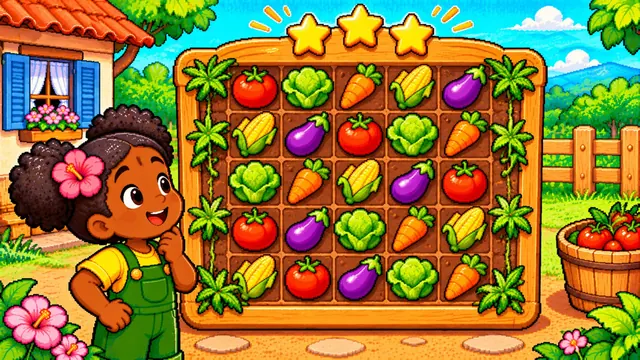
A garden match-3 is a puzzle where you line up three or more pieces. In Fazendinha Retrô's Virtues Game, the board is part of the campaign, with goals and a limited number of moves per level.
An eight-minute break is enough for a small farming task. Treat those eight minutes as your session limit and choose what fits today, like harvesting and selling one row.
Farm simulators vary mainly in how many decisions they place between planting and harvesting. In a simple game you track water and time. In another, soil, stock, prices and logistics are part of the same choice.
Brazilian farming games can bring familiar references in language, crops and village design. Fazendinha Retrô is a starting point to see how those choices show up in the browser.
Use seven criteria before downloading a farming game: platform, cost, saving, language, pace, controls and goal. Rank them by what could make you give up.
The version of Colheita Feliz (known in English as Happy Farm) that ran on Orkut lost its platform when Google shut the network down on September 30, 2014. Today you can look for a farm with the same plant, harvest and sell loop, or for a game where you farm with other people.
A game can remind you of Colheita Feliz through its waiting times, its neighbors or the satisfaction of watching your land grow. First choose which memory you want to recover, then test alternatives from there.
Colheita Feliz, Mini Fazenda, Café Mania and Guitar Flash shaped Orkut with different routines. While the farms and the café asked you to come back often, Guitar Flash challenged you to hit notes in time with the music.
The original FarmVille on Facebook shut down in December 2020. When looking for alternatives, it helps to separate that game from the series and from the games that inherited its way of organizing production, neighbors and expansion.
The Japanese series Bokujō Monogatari began on the Super Nintendo in 1996. Known in its Western releases as Harvest Moon, it helped popularize the mix of farming, a calendar and village life.
The routine of preparing, planting and harvesting runs through farming games on consoles, computers and browsers. What changes a lot is how you come back: a cartridge marks a session, a social game invites you to revisit friends and a link shortens the way in.
You can find free retro experiences in the browser by searching for the mechanics you enjoy, like platformers, puzzles or farming. A good starting point is a game that lets you try the first action as soon as it opens.
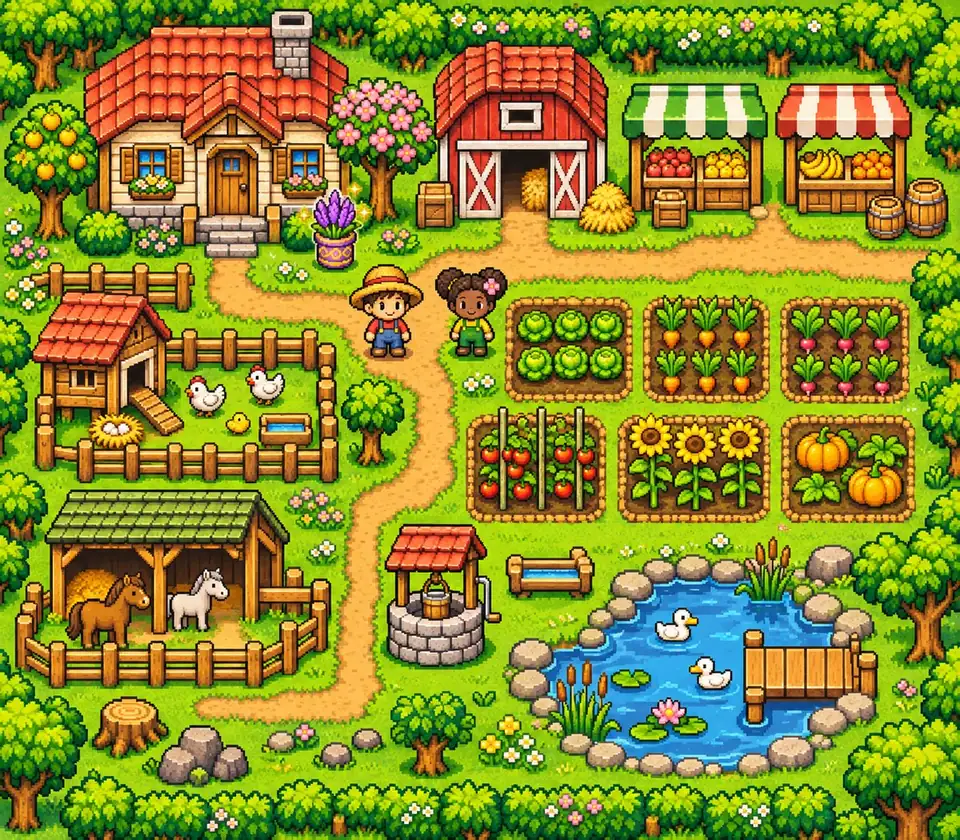
A pixel art game is easier to read when characters, items and scenery share the same visual density. In the browser, the image also needs to stay clear when the window size changes.
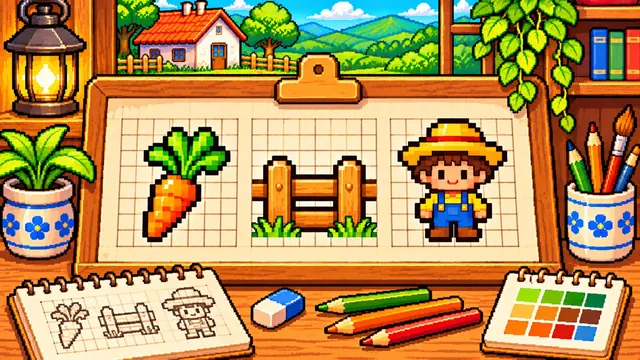
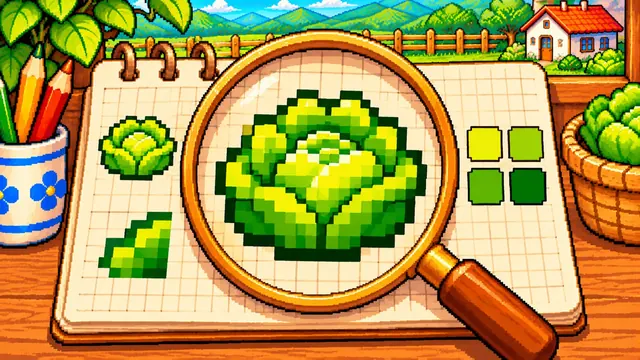
Pixel art combines drawing decisions with a visible grid. Part of its current appeal comes from how silhouette and color can describe an action with very few details.
When people talk about a 16-bit look, they are often describing the aesthetic tied to a generation of consoles. To understand its appeal, look at the economy of shapes and the colors organized into a few shades.
FarmVille was one of the games that defined the era of social farming games on Facebook. Invitations, gifts and neighbors gave you another reason to return to your beds besides the harvest.
Missing an old game can come from the routine around it: the title screen, the break after school or figuring out actions by trial and error. These clues help you find titles again.
Going back to an old game can bring back memories of people, places or habits. Recognition is part of the experience, even when the original game feels harder to control than you remembered.
A simple game teaches the first action while you play. Instead of memorizing a list of systems, you find a tool, try it and understand the result in the same place.
The move from browser social games to phones changed the gestures of farming: clicking and coming back to the computer gave way to tapping, switching apps and playing in shorter sessions.
For a break on your phone, a short action that is easy to interrupt can feel nicer. A simple farm task, like watering four beds, gives you a clear stopping point.
Cozy games are games people seek out for their warm atmosphere and for activities that leave room to experiment. The term describes an experience, which can involve organizing a house, growing plants or exploring a village.
If you want to play at the end of the day, choose a task with a beginning and an end and stop well before bedtime. Turning off notifications helps keep a short session from turning into another round.
A game without pressure lets you understand the goal and control when to stop. Check whether a task uses a time limit, a move limit or neither. Each rule feels different.
A game can fit into your day as leisure, company or a challenge. Notice what a session adds to your day and how much room it leaves for the other activities you value.
An affirmation is a short phrase chosen to remind you of a value or an action. A practical way to use one is to write something specific, like reminding yourself that you can start with a small task.
A five-minute self-care mission works best when it fits into the routine you already have. Choose drinking water, opening the window or simply putting your phone away for a moment.
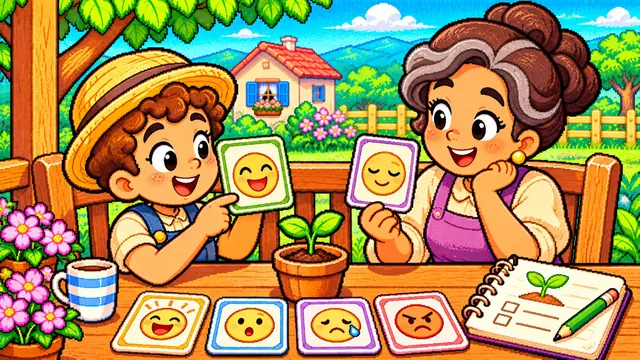
A mood check-in is a short note about what you notice right now. You can write one word and, if it helps, add something about the context, like sleep, company or the task at hand.
Caring for a pot can be a pleasant activity, with attention to gestures like touching the soil, removing dry leaves and watching a sprout. The response varies from person to person and with the task chosen.
For a break at work, look for an activity that starts fast and accepts a predictable end. Harvesting one row or solving a short round fits better than starting a game full of instructions.
To play as a family, look for activities with actions that are easy to explain, like organizing, farming or matching pieces. Play a test session to check content, reading level, purchases and interactions with other people.
When you choose a cute phone game, check whether the controls and the pace match the look. A delicate setting can come with cramped menus or very urgent missions.
A small habit is easier to remember when it follows something that already happens. You can check a pot after making coffee or write down an idea after putting away your work things.
Gratitude, calm and courage can become visible actions. Pick a common situation and think about the next gesture, like thanking someone for specific help, waiting before you reply or asking a hard question.
To look after your screen time, agree on a stopping point before you play and leave room for meals, sleep, movement and time with others. As a family, make the agreement together and take the child's age into account.
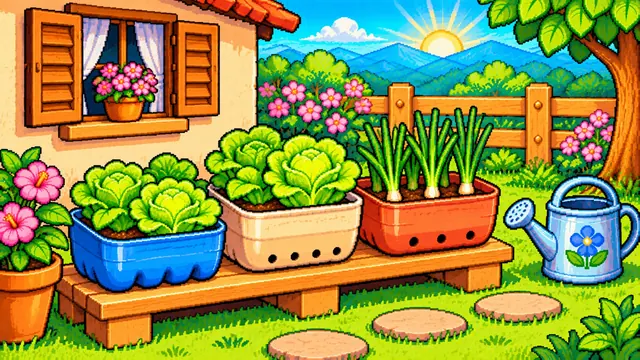
To start a vegetable garden at home, begin with a bright, airy spot, a pot with drainage and a plant you often use in the kitchen. A small garden lets you learn without wasting seedlings.
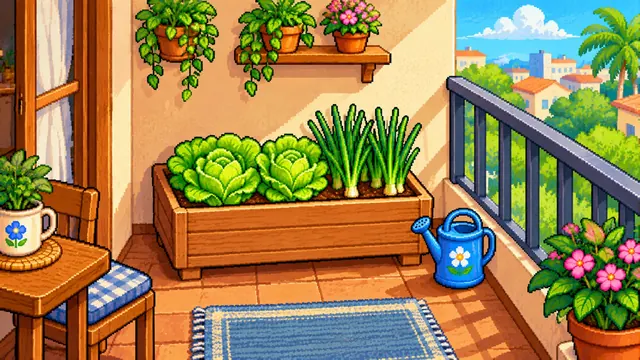
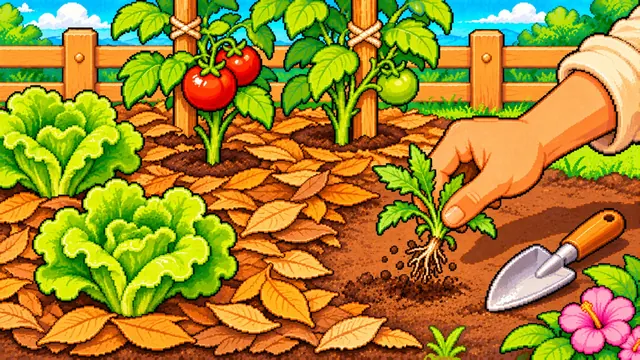
In an apartment garden, the light you have decides what to grow. On a bright balcony, start with leafy greens or herbs and save sun-hungry plants, like tomatoes, for the brightest spot.
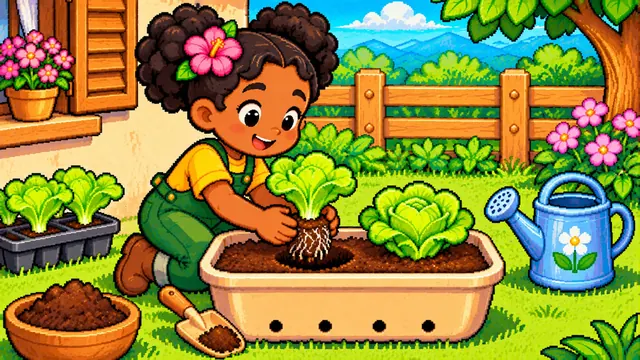
To grow lettuce in a pot, use a container about 20 to 25 cm (8 to 10 in) deep, with drainage holes and a mix for vegetables. Choose a seedling suited to the season in your region.
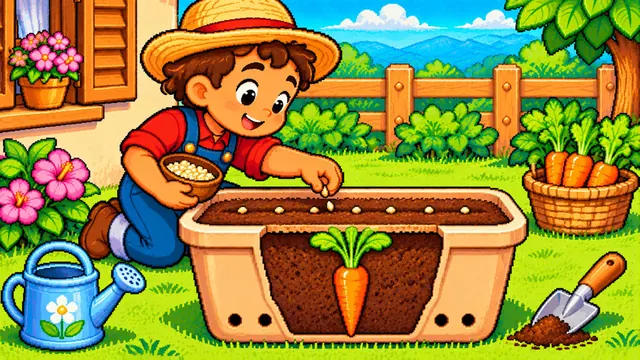
To grow carrots, sow them directly where they will stay, in deep, loose soil. Use 90 days as a rough reference and check the variety's packet to estimate the harvest window.
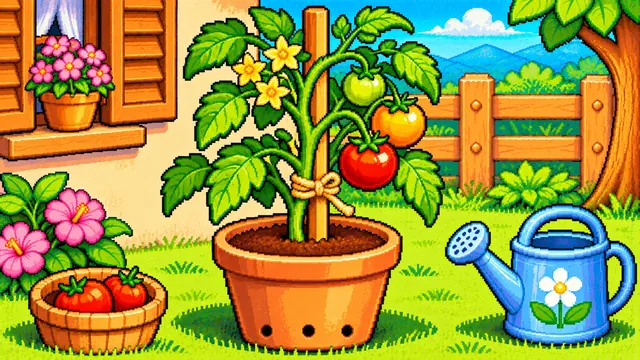
To grow tomatoes in a pot, choose a variety suited to containers, like a compact cherry tomato. Save the sunniest spot on the balcony and a pot that drains well.
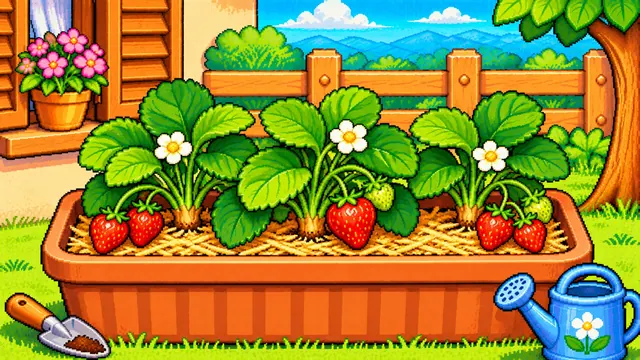
To grow strawberries at home, plant healthy seedlings in a container with drainage and good light. Production depends on the variety and the climate, so fruit all year round requires specific conditions.
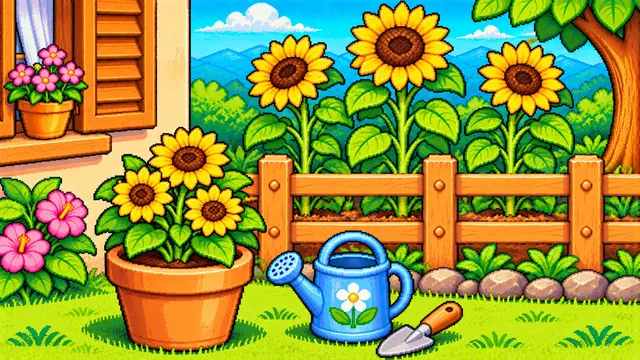
To grow sunflowers in a pot, choose a compact variety and a sturdy container with drainage. For tall varieties, save a sunny corner of the garden with space around it.
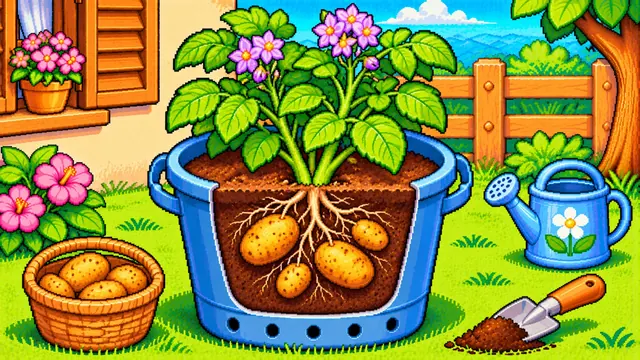
You can grow potatoes in a bucket suited to planting, with holes and enough volume to keep the tubers covered. Use seed potatoes from a known source and follow the planting season for your region.
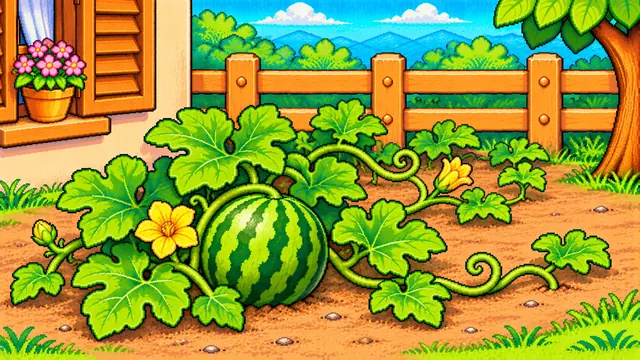
Watermelons need heat, space and well-draining soil. Start by choosing a variety that fits the size of your backyard and plan where the vine can spread.
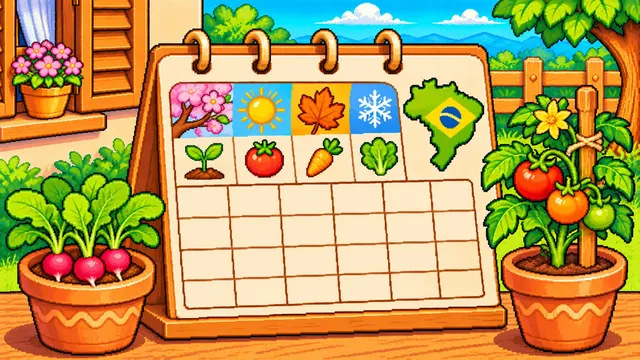
The best month to plant depends on the region, the variety and the conditions in your yard. Build your calendar from a regional table and use the dates as windows to check against local conditions.
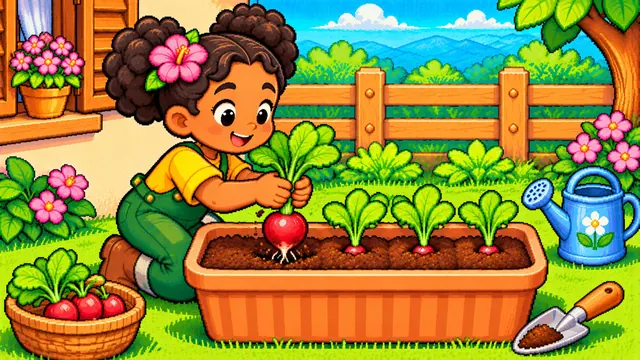
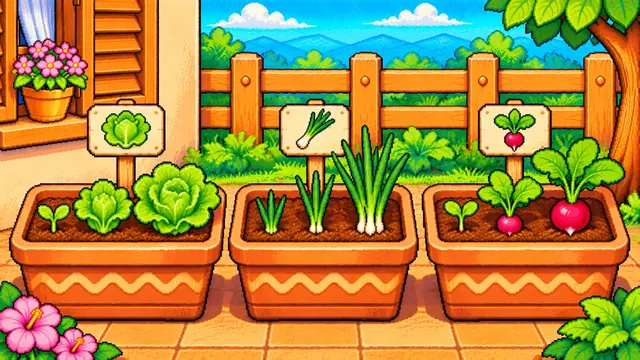
Lettuce, chives and radishes are good candidates for a first garden with light and drainage. Each one teaches a different kind of care: picking leaves, cutting herbs or following a root.
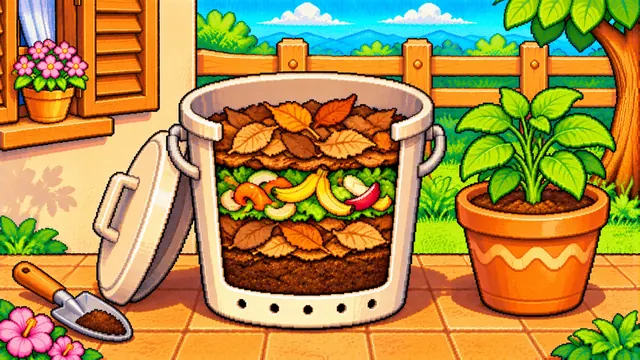
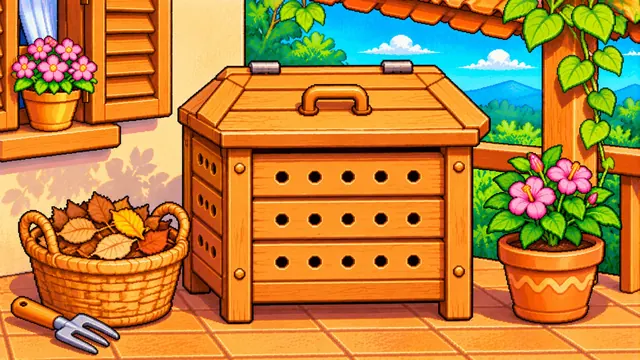
Plant scraps from the kitchen can become compost when they break down in the right conditions. Set aside peels and trimmings and combine them with dry material to keep the mix airy.
To avoid strong smells in a home compost bin, control excess water and cover wet scraps with dry material. Choose a container that suits the amount your household produces.
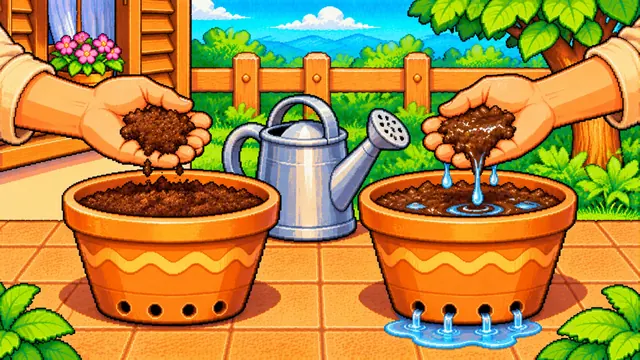
How much water a garden needs depends on the pot, the potting mix and the weather. Before watering, check the moisture just below the surface and make sure the container's holes are clear.
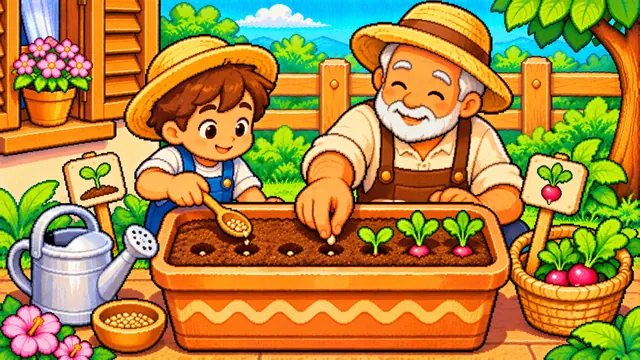
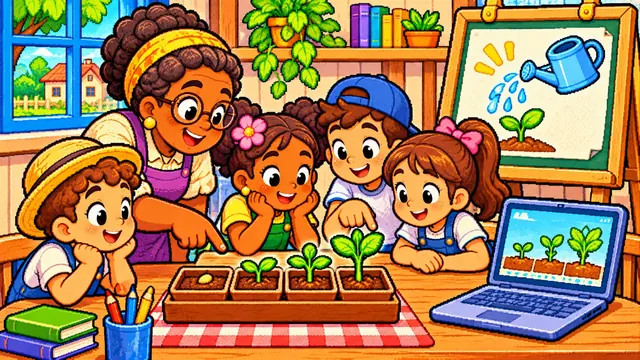
A garden with kids can start with a single pot, a seed and a question: what changes after a week? Choose a crop that is easy to observe and give the child a task the size of their hands.
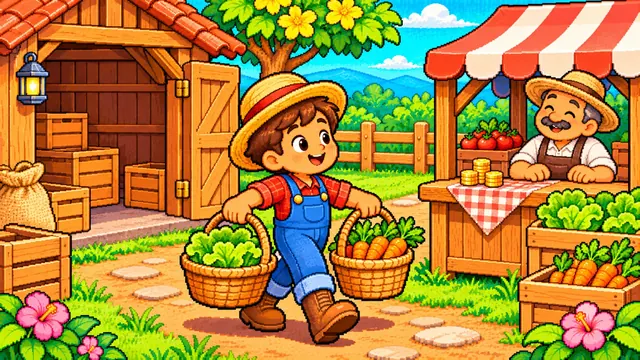
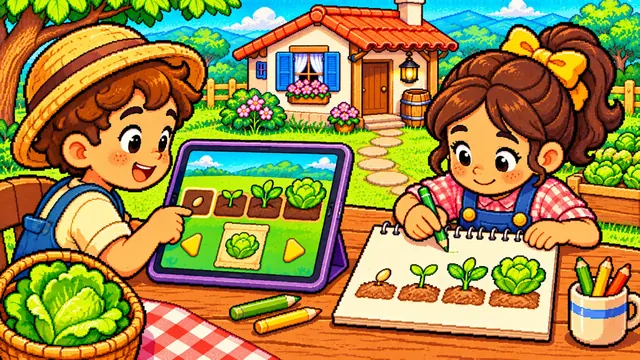
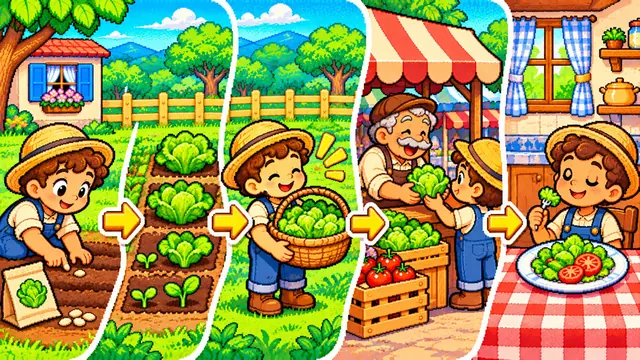
Start Fazendinha Retrô with a row of lettuce. Prepare the soil, plant, water and move to the next day. After the harvest, sell at the market and keep part of your coins to buy new seeds.
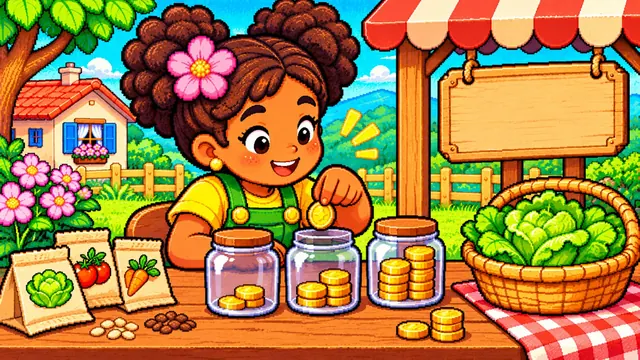
To earn coins early, plant lettuce to turn money over quickly and carrots to diversify your sales. Do the math with the value the market shows, setting aside the cost of the next seeds.
To compare crops, consider the seed cost, the time to the first harvest, the quantity produced and any repeat harvests from the same plant. The base prices below are a reference, since quality and the market affect what you receive.
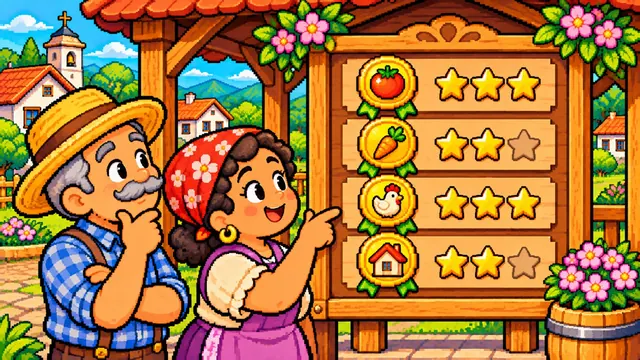
To get three stars in the Virtues Game, meet the level goal and reach the third score threshold. The best first move depends on the obstacle and the pieces available.
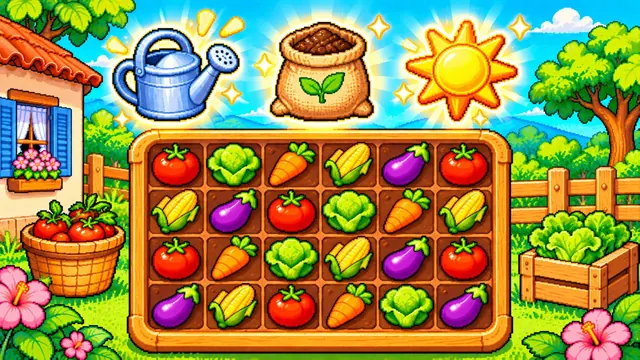
In the Virtues Game, watering cans clear rows or columns, fertilizer hits the area around it and the sun removes every piece of the color you swap it with.
Buy an animal when you can afford the shelter, the animal and its feed and still keep seeds for the next planting. The first option in the campaign is the chicken, on day 11.
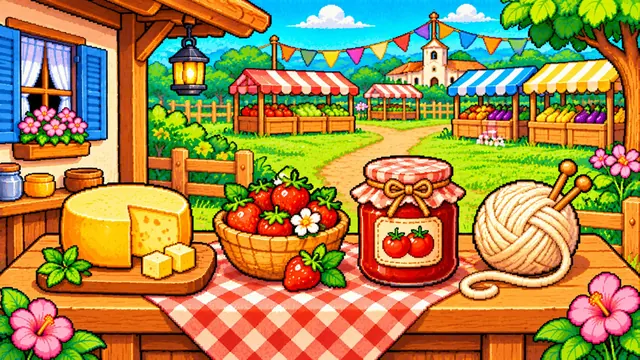
The workbench turns farm products into market goods. To know what a recipe is worth, compare the base price of the result with the sum of the ingredients' base prices.
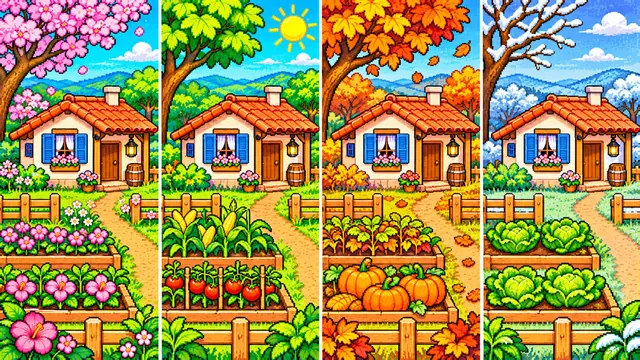
In the campaign, spring runs from day 1 to 8, summer from 9 to 16, autumn from 17 to 23 and winter from 24 to 30. The season speeds up the growth of the crops it favors.
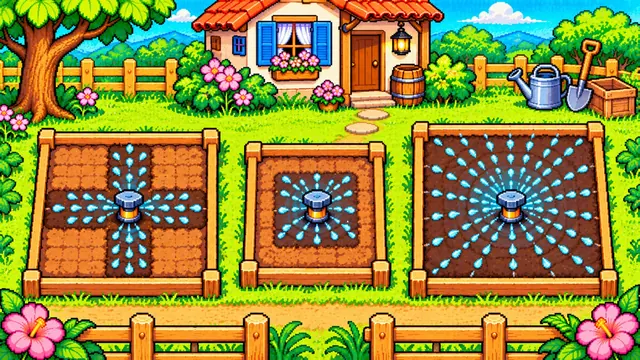
The basic sprinkler waters the four neighbors in a cross, the improved one covers the eight surrounding plots and the master covers a 5×5 square, with the device in the center.
After the 30-day evaluation, you can keep the same farm in free mode. Use the new pace to finish a collection or try a different way of organizing your land.
For children aged 6 to 12, a farming game can be a starting point for counting, noticing changes and making simple decisions. It works best as a short, supervised activity.
A light way to practice responsibility is to agree on a small task, remember when it happens and look at the result together. A virtual farm lets kids try before caring for a living thing.
To play a farming game with your kids, agree on roles and a short goal. One person can control the tool while the other decides what to plant or helps count the coins.
Before letting a child play a game, check the age rating, ads, purchases, data collection and ways of contacting other people. Play the first session together to see the real flow.
A farming game lets you practice the difference between revenue, cost and profit with virtual coins. If a seed costs 5 and the sale is worth 12, you keep 7 before other expenses.
Garden games can help kids recognize foods and talk about where they come from, when they grow and how they are prepared. Use the game as a starting point for an activity with real food.
A game can open a conversation about what a child felt when trying something new, waiting for the harvest or making a mistake. Ask concrete questions and accept that they may want to answer later.
To explain where food comes from, follow one food from the field to the plate. A lettuce, for example, needs to grow, be harvested and reach the market or the kitchen.
Use a farming game as a short observation and comparison activity. Set a learning goal, like telling seed, seedling and adult plant apart, and fit the format to your school's guidelines.
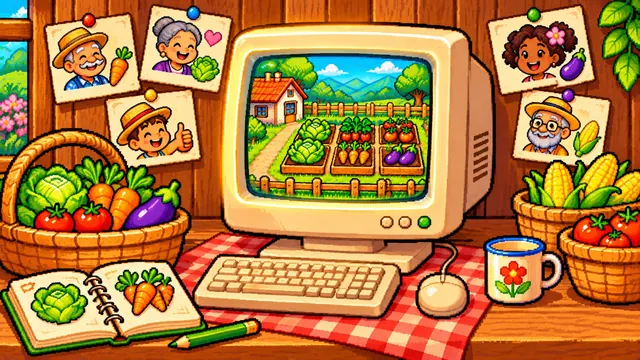
Browser games you can start right away are good for trying a mechanic before deciding whether it is worth creating an account. Check that you can start and that the session can be recovered later.
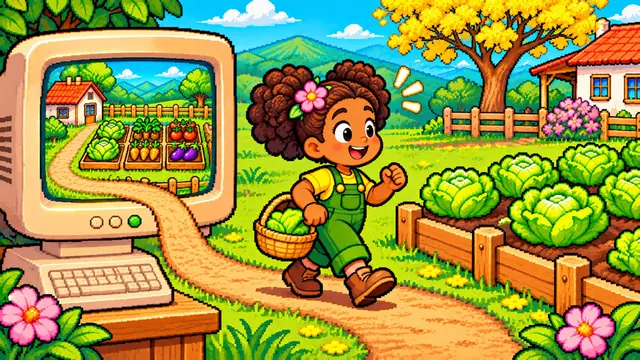
To save space on your phone, try games that open in the browser. They avoid downloading a store package, although the browser can still keep cached files and game data.
To play on a Chromebook, start with a page that works with a keyboard, mouse or trackpad. Check that the game opens in the profile you use and whether school or work devices have restrictions.
To pass the time on a break, choose a game that lets you start in a few steps and stop after one task. Try the free version to see when ads or purchase prompts appear.
A daily reward can give you an idea of what to do next session. In Fazendinha Retrô, there are return gifts and rewards in the Virtues Game, as well as farm goals.